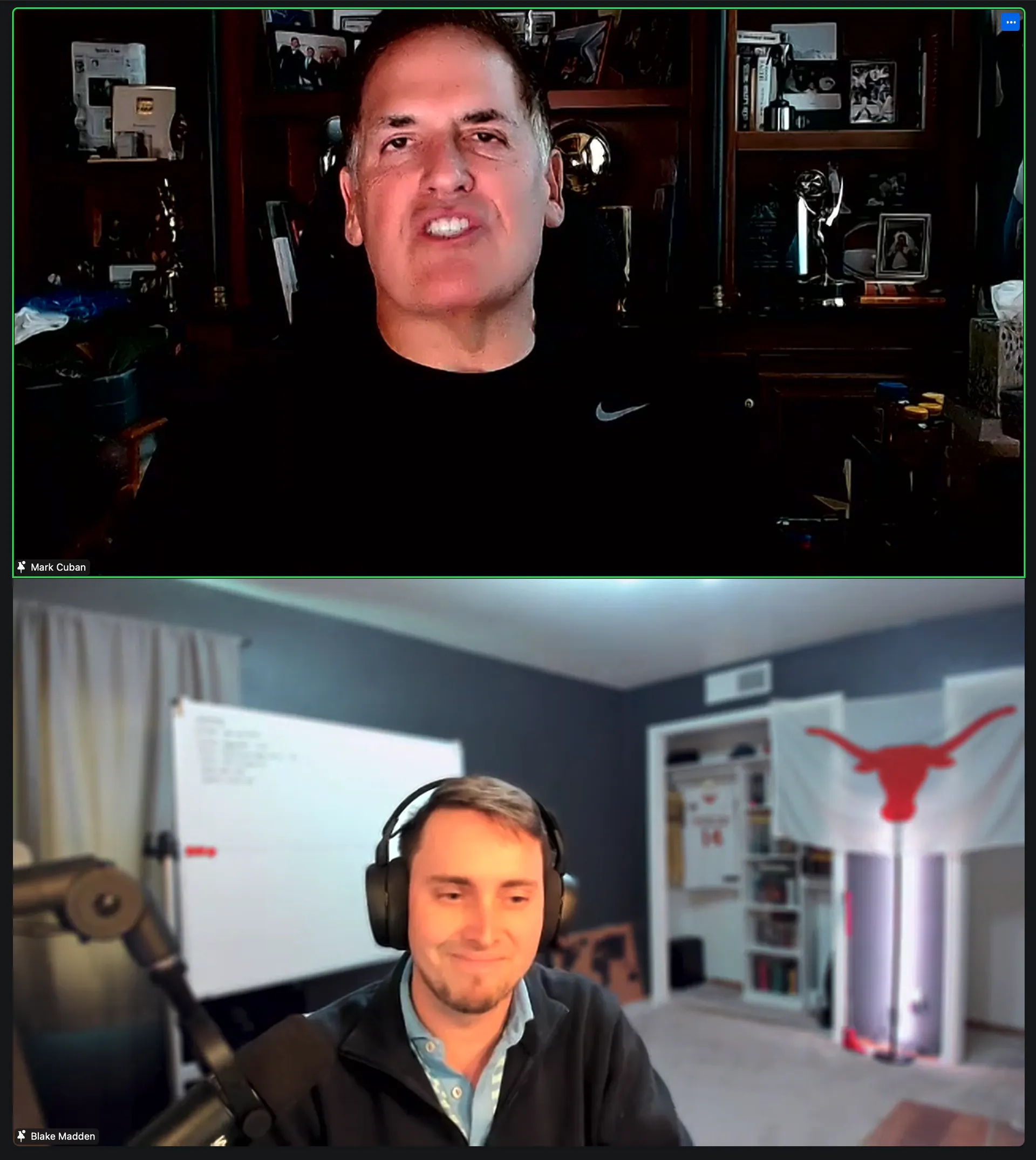
In case you missed it: Here’s a link to the replay of my chat with Mark Cuban (don’t worry, he gets less blurry as the video goes on). We were so fired up about healthcare it went 30 minutes over. Definitely a virtual event like none other and what an experience. Anyway, the video will be up on the channel free for a week and then available to Hospitalogy membership plus members. Join my community here!
The talk was wide ranging and talked about the following and more:
Cost Plus Drugs (”CPD”) business model overview: 3 distinct segments have formed - general prescription drug delivery, Cost Plus marketplace (where their partnerships like CHS and Penn Med flow through). This is a wholesale business and a 10% markup on most drugs purchased. Then finally, CPD launched its own manufacturing plant recently, which has compounding capabilities and will target sterile injectable biosimilars and generics in short supply (epinephrine, etc.) and will move over to oral solid pills and more. Notably they decided to stay away from GLP-1s!
Footprint: CPD is up to 2,500 drugs available, a network of 16,000 pharmacies, all transparent pricing (all prices are published; all commercial contracts are published); 75 brand name drugs (which they’re working on)
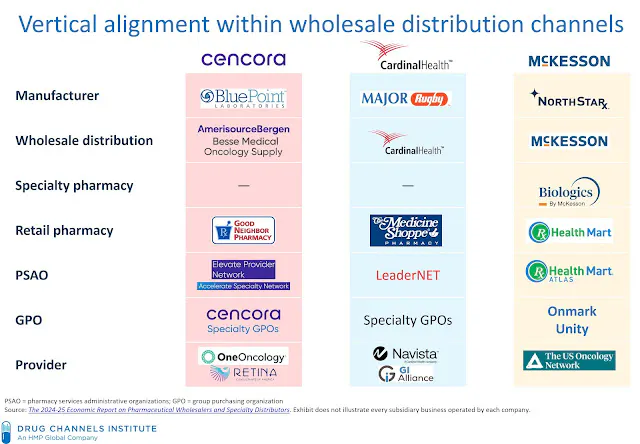
PBM disruption and unbundling: PBM models are shifting from rebates to things like GPO management fees and more, vertically integrating with manufacturing facilities, and are fighting tooth and nail against companies like CPD, both publicly and behind the scenes
-
“It’s kind of like Fight Club: The number one rule about the PBM contract is that you can’t talk about the PBM contract.”
- Rebates are a hell of a drug for employers, pun absolutely intended
What employers should do in a never-ending world of healthcare price increases: Hire a healthcare-specific CFO. Since every company is a healthcare benefits company, getting someone in the room who is savvy on healthcare can be huge for organizational savings or what to push on.
-
What CPD is trying to do on the provider side with direct contracting and instilling more trust with physicians and clinicians, and how CPD structures those agreements. “Across the board, we’re saving anywhere from 25% to 40% a month, so far.”
- “I don’t think health insurance should exist”
Hospital costs and the dynamic of input costs; not knowing what true input costs are organizationally; not having great insight into expense allocation, especially on the overhead side.
Importance of transparency in healthcare across the industry and how opacity hurts stakeholders and patients
TL;DR - CPD has made a ton of progress but, as we all know, healthcare is complicated. They still have a long way to go across all of the things they’re trying to get done and are, quite literally, taking on all of the behemoths of the healthcare industry at once.