A reminder: You’re receiving this because you were previously subscribed to HealthExecWire. Hope you enjoy.
|
|
|
Happy Thursday Hospitalogists,
Today we recap with thoughts on the ground at ViVE and some notable healthcare news you should keep on your radar from the past couple of weeks. Let’s dive in! |
|
|
Going deeper on an interesting topic, theme, or trend
|
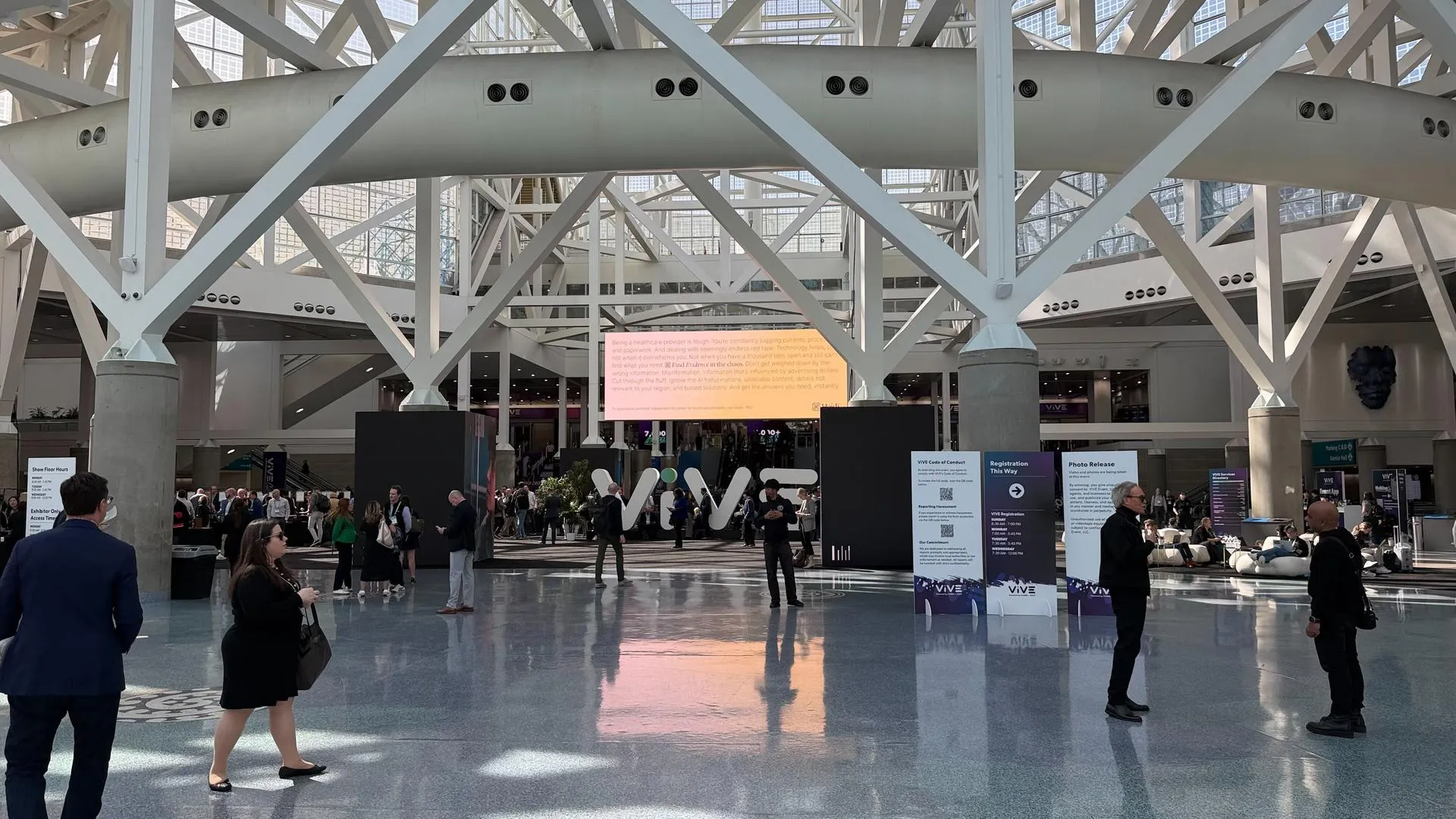
Another year, another ViVE wrapped up.
-
While I am logistically challenged, the LA convention center is a bit of a maze. Though I did appreciate the shuttle system from related hotels to the center. The conference being on multiple floors confused me - though I’m sure other venues have this issue too.
-
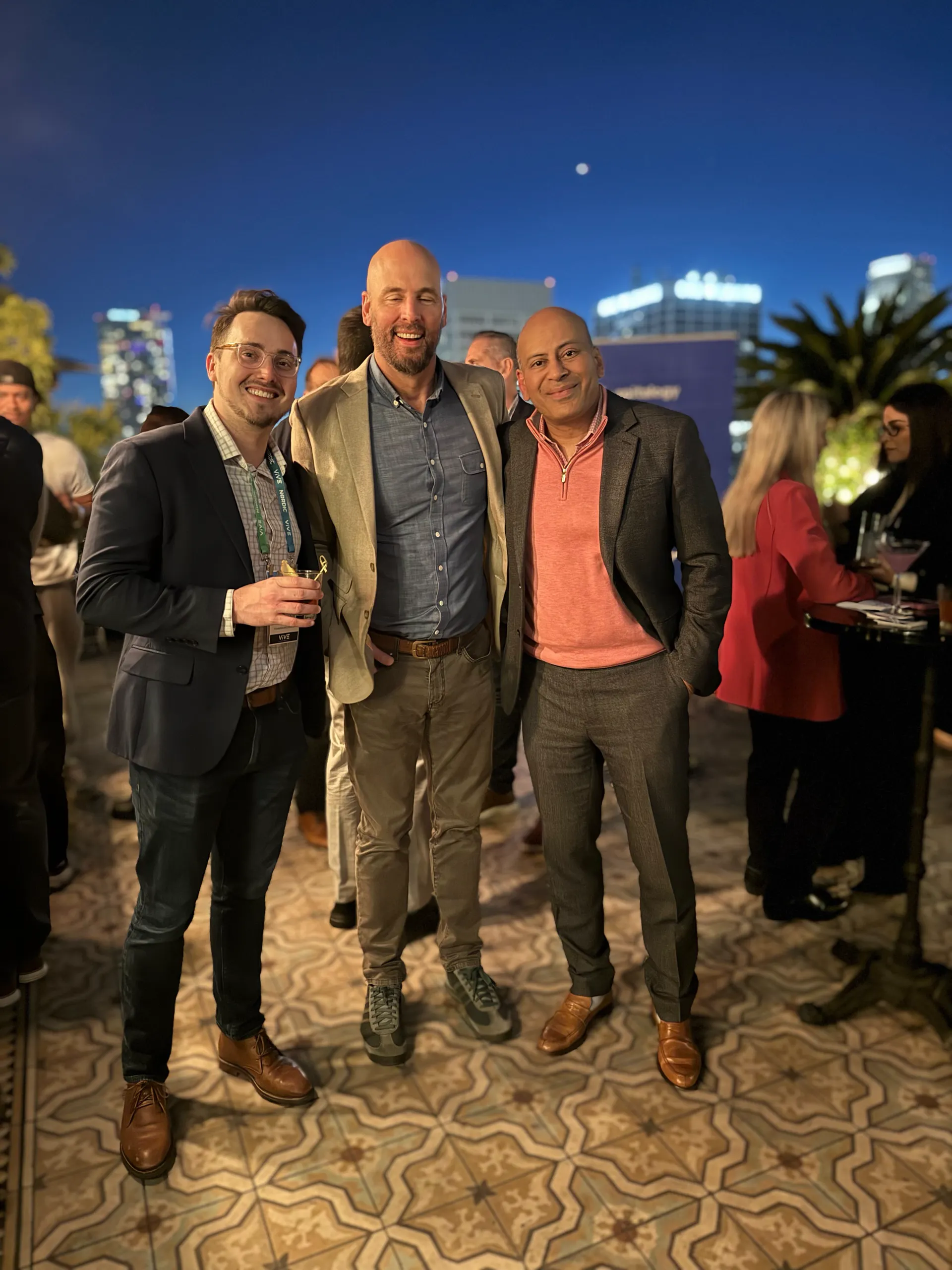
My happy hour, hosted alongside the wonderful folks at Nabla and Navina, was the premier event of the event (of course). Got to catch up with the Guidehealth crew and unfortunately caught John in deep thought. Next time I’ll think before I post. Sorry John.
|
-
I didn’t realize the Lakers and Celtics were playing on Sunday night! As I’m headed toward the center trying to get my badge, I realize I’m walking through hoards of Lakers fans. Wondering where they’re all headed, I look up and see that the arena is right next to me. I’m an idiot.
-
I finally managed to meet Aledade’s Farzad Mostashari after courting him on Twitter for years and following the Aledade story closely. I got the impression that they’re still doing pretty dang well which tracks with their most recent annual update on growth. In 2025 Aledade added 700 more primary care groups (a notable acceleration from 500 in 2024), bringing total served to 3,000 partners across 3 million lives in 46 states, and particular emphasis was put on MSSP in both the update and from Farzad during our conversation. Farzad, of course, is extremely thoughtful and our conversation ranged from what’s currently broken in MA (selection bias, risk adjustment), how LEAD interests the organization (but they’re in wait and see mode), and why MSSP works (supported by CMS) - and how perhaps MSSP should just be what CMS most heavily invests in for accountable care.
-
Big themes at ViVE more holistically this year centered around data and consumerism, and these were some of the trends I discussed with Frist Cressey’s Navid Farzad, who was gracious enough to talk shop with me after their $425M fund closing. What struck me about FCV’s approach is their aim to be thoughtful stewards of capital for their LPs, but also to delight the founders they work with - that their founders are their customers that they need to cater to. The investment firm, a bit contrarian to venture capital in general, is focused on long-term theses in healthcare. Look for more announcements from them soon, including a new incubated company on the horizon.
-
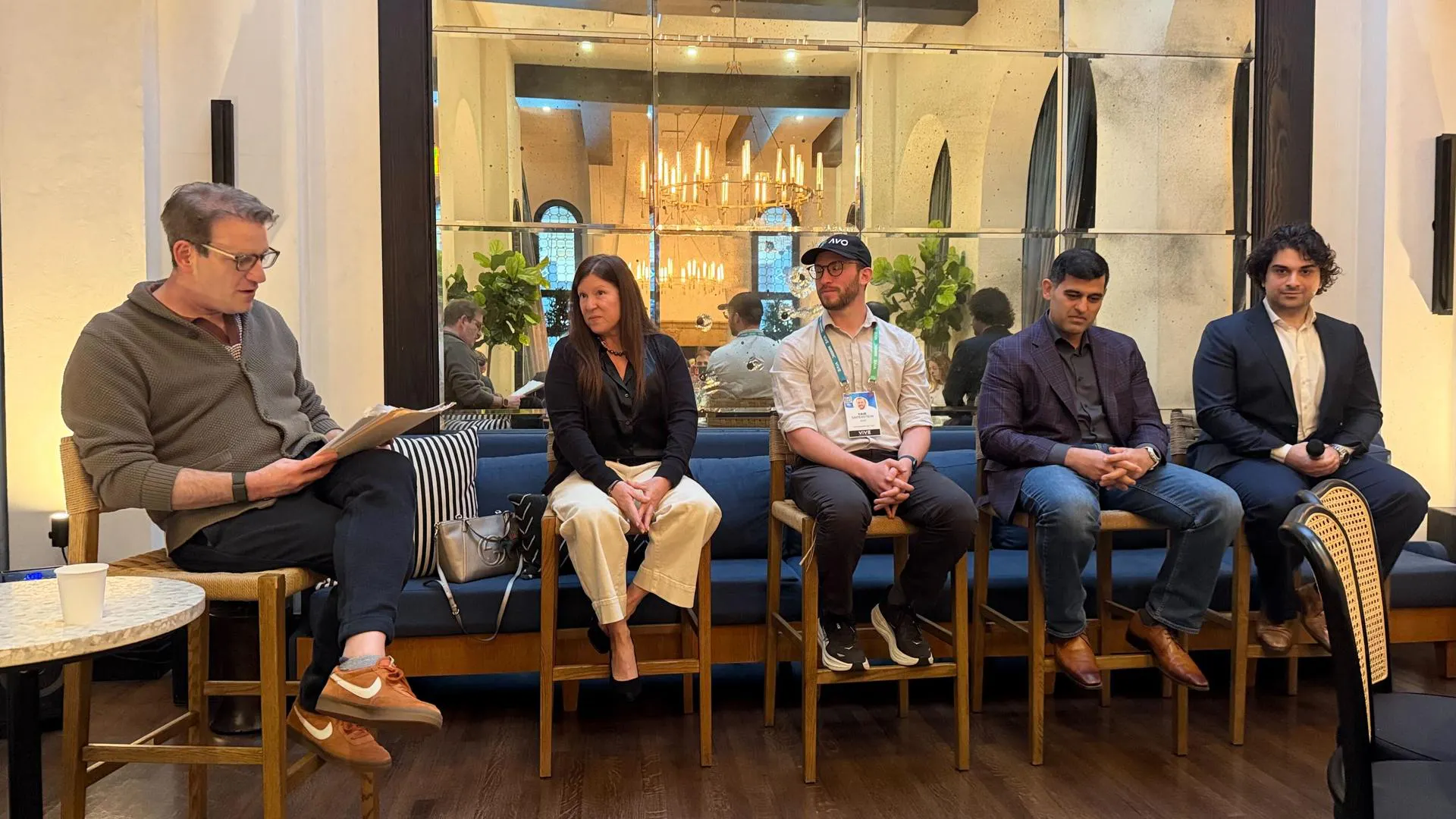
Scrub Capital invited me out to a few side events, and their breakfast panel was one of the best I listened to between Geisinger’s Jon Slotkin and Susan Collins, AvoMD’s Yair Saperstein, Doximity’s Amit Phull, and SuperDial’s David Khaydatov. Some great viewpoints were shared, including thoughts (and some dissent) around AI doctors in primary care, and how that relationship could disintermediate insurance companies. While I see a different angle, there’s something brewing in that arena. Other thoughts that resonated with me from the panel included a consensus that the arbitrary ‘admin’ vs. ‘clinical’ side we see today in healthcare doesn’t need to actually exist, and has been arbitrarily created via silos.
|
-
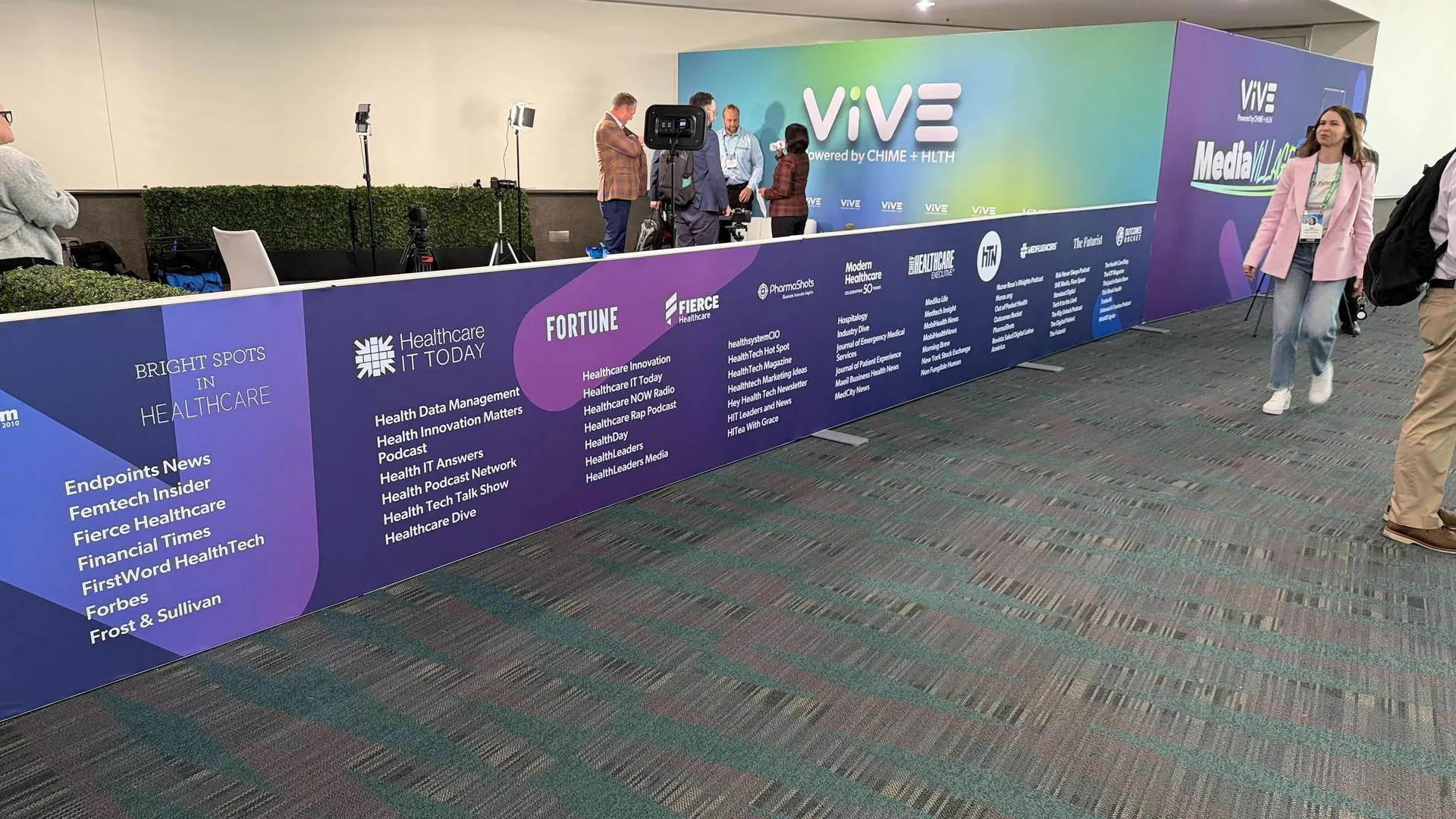
I continue to make it on the media list and I’m hopeful I can make it on the top row one of these years. Can’t believe HTN made it up there before me smh
|
-
Health Data Atlas’ Taylor Glass shared some notes with me on her panel on the supply and demand of patient data with consensus being that the patient is the key to unlocking healthcare data interoperability — not because patients should manage their own records, but because the patient is the only entity that can authorize data flows across institutional boundaries that no single health system or payer can mandate on its own. A secondary tension worth noting was the panel disagreed on whether the real demand is patient-facing access or care team access. Particle Health's Abhi Sindhwani argued the honest framing is empowering clinicians with context, not expecting consumers to drive their own data strategy — while HealthEx and Meditech leaned into the patient as the alignment mechanism that makes the whole system work. Both sides agreed that privacy objections are largely institutional cover for maintaining data silos, not legitimate barriers to progress which was notable to me.
- Several people noted to me that any time a conference moves to the coast attendance suffers. I’d say it looked about the same level as the past few years to me but that the floor seemed to be comprised of larger exhibits from the usual suspects. Jorie AI’s booth always cracks me up, and shout out to Sal for pouring me some Caymus on the way out Monday afternoon.
-
I had a really great engaging conversation with Apella’s David Schummers who walked me through their history, strategy, value prop, and model in moving ambient monitoring into the OR and vastly increasing throughput management there. They’re notching deals with a number of health systems given how important OR volume is to the financial health of a hospital.
-
Shout out to the Dock Health folks who are just salt of the earth people looking to fix and simplify productivity problems across health systems, starting with a huge one in referrals workflows in a partnership at Mayo Clinic. I’ve been following the Dock Health journey for a while, and they’ll look to deploy across the Mayo network and more.
-
Finally, Akasa’s Ben Beadle-Ryby and I talked about their company’s history, and in particular, their work on the inpatient side at academic medical centers. Maybe contrary to other documentation and mid cycle RCM players, Akasa’s main footprint and bet lies in inpatient care and finding and correcting documentation errors within IP encounters. Beyond the model itself and obvious value props in quality boosts, acuity increases, and revenue capture, Akasa has also identified that up to 17% of inpatient encounters could be automated without human oversight. Of course, RCM will continue to be in the spotlight for AI use cases.
That’s the recap from ViVE! While I can’t share everything I learned (to be a good steward of information and when people want to present that information), there are good things coming in healthcare, and builders across the ecosystem engaging in thoughtful dialogue to make our healthcare system a better one. Don’t lose hope and stay optimistic, Hospitalogy faithful.
What did you notice from ViVE? Hit me up with your thoughts or any interesting companies, takeaways that I missed.
|
|
|
Thanks for the read! Let me know what you thought by replying back to this email.
— Blake
|
|
|
The conversation doesn't have to stop here
Keep learning and connecting in the Hospitalogy Network
EVENTS | FEED | LIBRARY | DIRECTORY
|
|
|
I'm building a community of leaders in strategy, finance, and ops
at hospitals and health systems to help us connect, learn, and grow together.
|
|
|
|